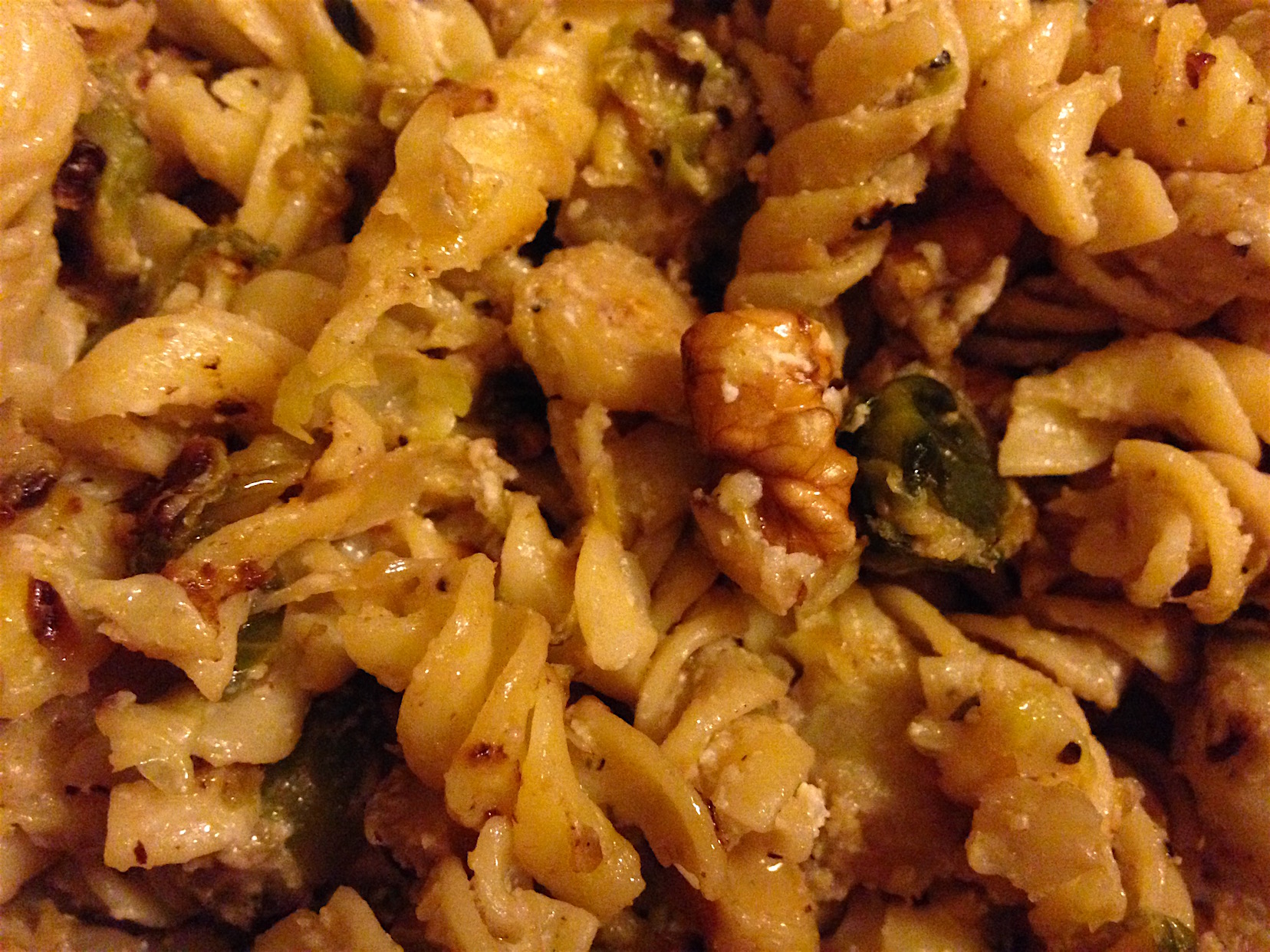
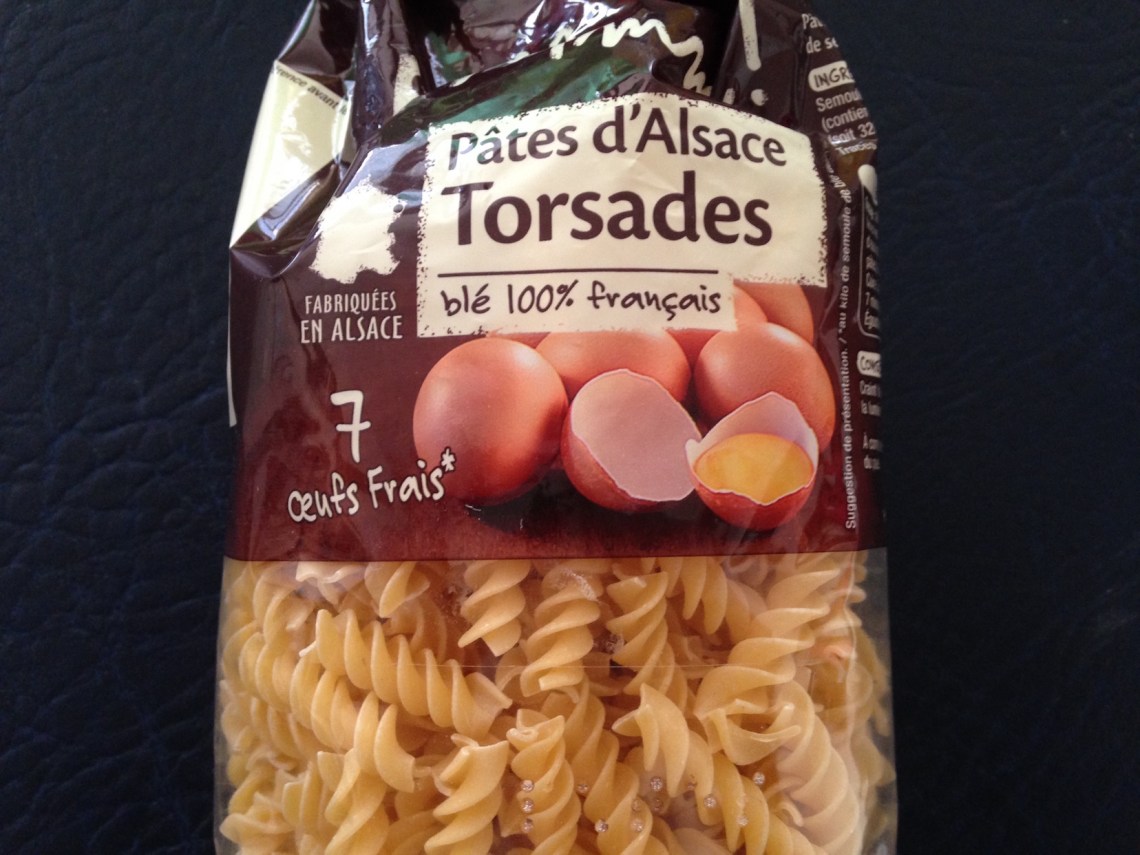
Torsades, or girandole, are sometimes referred to as fusilli’s younger sister. Although slightly smaller than their older siblings, their crevices make them ideal for dishes like this with a lot going on.
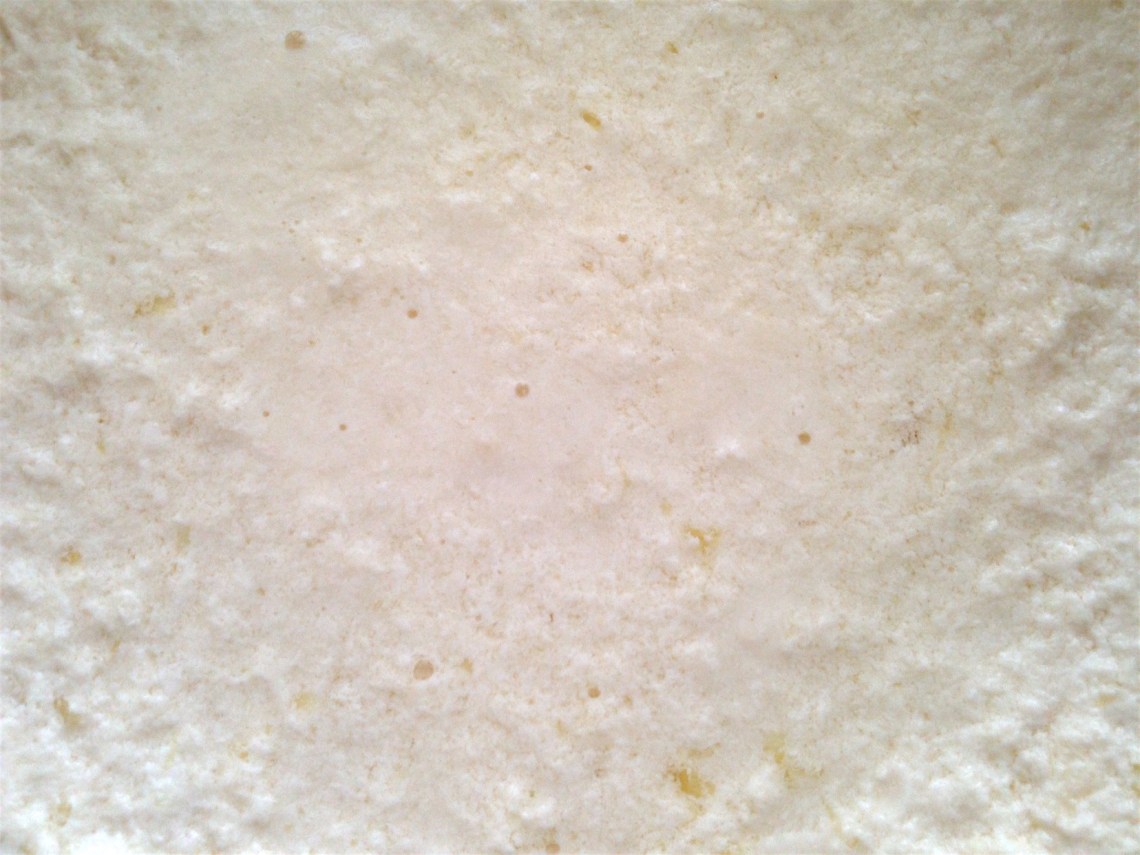
This recipe is a twist on a summery pasta from Two Peas and Their Pod that I adapted for colder weather by adding homemade lemon ricotta and swapping out the hazelnuts for walnuts.
If you don’t have the time to make ricotta at home, just zest ½ a lemon into 1 cup of store-bought ricotta for a similar effect.
If you do decide to make the homemade ricotta and don’t have any cheesecloth, make sure to use paper towel that aren’t very absorbent. The more absorbent the paper towel, the longer the straining process is going to take.
If you have a mesh colander, use that. It’ll be done in minutes, although the clean up can be annoying.
This pasta is an all-in-one meal that hits a nice balance between light and hearty, healthy and indulgent. It’s pleasantly bland although I swear, something about the browned brussels sprouts tastes at least like the memory of bacon.
Make this on a cold night when you want to cozy up to Netflix after dinner instead of falling asleep on the couch.
Torsades with Brown Butter Brussels Sprouts
Ingredients
For the ricotta:
1 liter (basically 1 quart) whole milk
2 lemons
¼ tsp salt
For the pasta and brussels sprouts:
3 tbsp plus 2 tbsp butter, divided
¾ cup chopped walnuts
250g (slightly more than ½ pound) torsades or fusilli
3 ½ cups roughly chopped brussels sprouts
3 cloves garlic, finely chopped
1 small onion or shallot, finely chopped
⅓ cup parmasean
Salt and black pepper to taste
Instructions
1. Make the ricotta: in a pot, heat the milk until it foams around the edges and is just about to simmer. Remove from heat and stir in the salt.
2. Cut the lemons in half and remove the seeds with the tip of the knife and juice directly into the scalded milk. Stir with a wooden spoon and let it set until large curds form, about 15 minutes.
3. Strain the curds in a colander lined with a cheese cloth or cheap paper towels. Let it drip until it’s reached the consistency of greek yogurt. Scoop into a container or bowl and set aside. You should have about 1 cup of ricotta.
4. Once the ricotta has finished straining, toast the walnuts in a saucepan until fragrant and slightly browned. Set aside.
5. Brown 3 tbsp butter in the same pan by cooking on low heat until the milk solids are a light caramel color. Remove from heat to keep the butter from burning.
6. Cook the pasta in salted water until aldente and strain in a colander. Set aside
7. Heat the remaining 2 tbsp butter in a pot deep enough to hold all the ingredients and fry the onions or shallots on medium heat until soft and transparent, stirring the whole time. Add the garlic and continue to sauté until both just begin to brown.
8. Add the chopped brussels sprouts and continue to sauté until some pieces have browned as well.
9. Stir in the pasta, making sure it’s evenly coated before adding the walnuts, brown butter, ricotta, and parmesan in that order, stirring after each addition. Salt and pepper to taste.
Serves 3-4

 theyellowlunchbox
Sounds delicious. If I’m not doing pasta or anything with flour, do you have suggestions for a substitute? Also, ghee has become pretty prevalent in US. I use it all the time now. It doesn’t burn but perhaps doesn’t have as much of a buttery flavor.
LikeLike
I’d either use a quinoa-based pasta, or some hearty whole grains like oats or buckwheat. I have a suspicion it might also be good with french lentils, although that’s not something I’ve tried.
Since the brown part of brown butter comes from the milk solids, it’s not something you can replace with ghee. You could however use ghee instead of butter when frying the onions, garlic, and brussels sprouts.
LikeLike