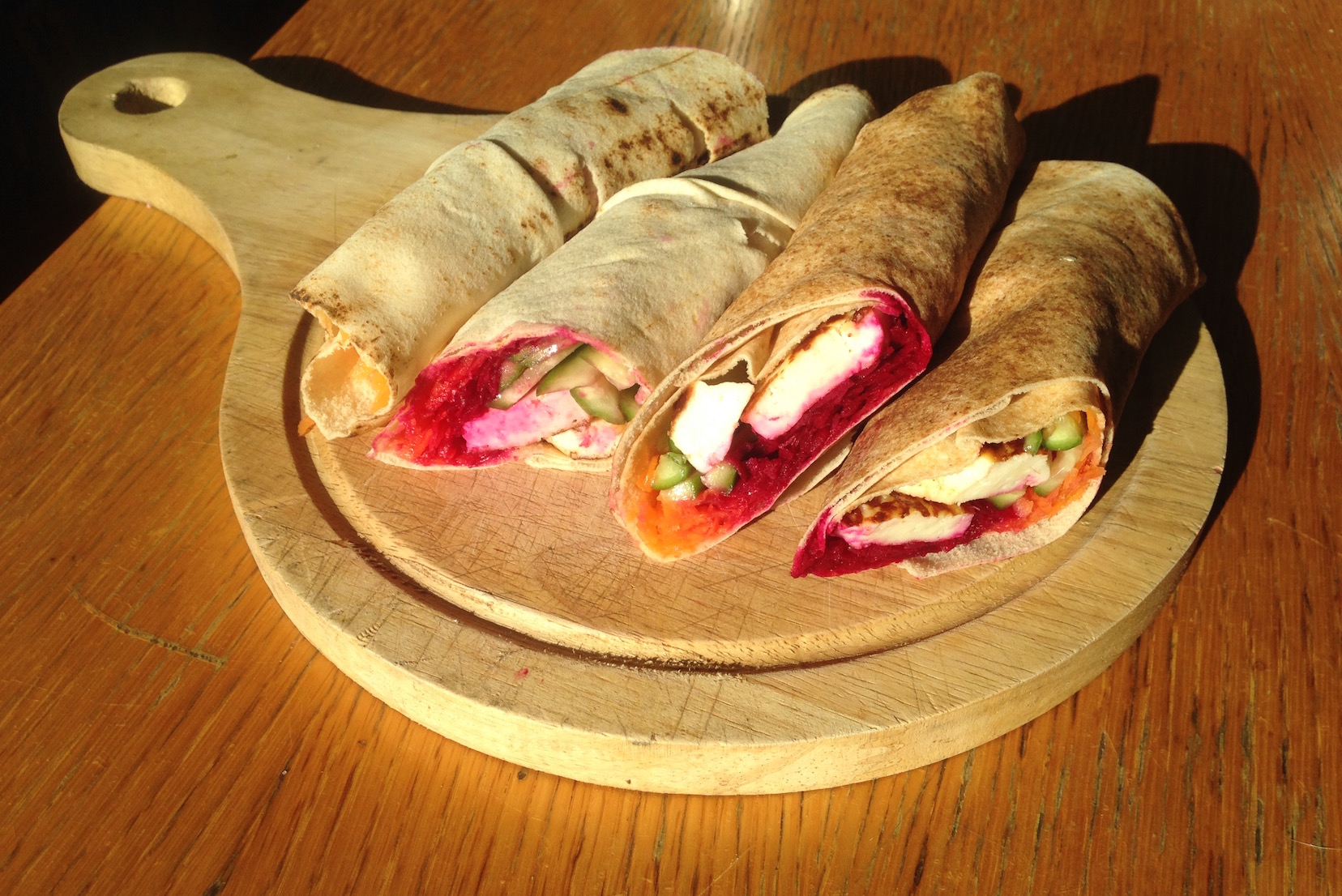
The first time I had halloumi, I was ten. We were out celebrating my father’s birthday at Molyvos in Midtown Manhattan, and since it’s grown to be one of my favorite cheeses. Straddling the line between melty and firm, halloumi is in some ways more like meat than a cheese, in that it can be eaten as the central part of a meal.
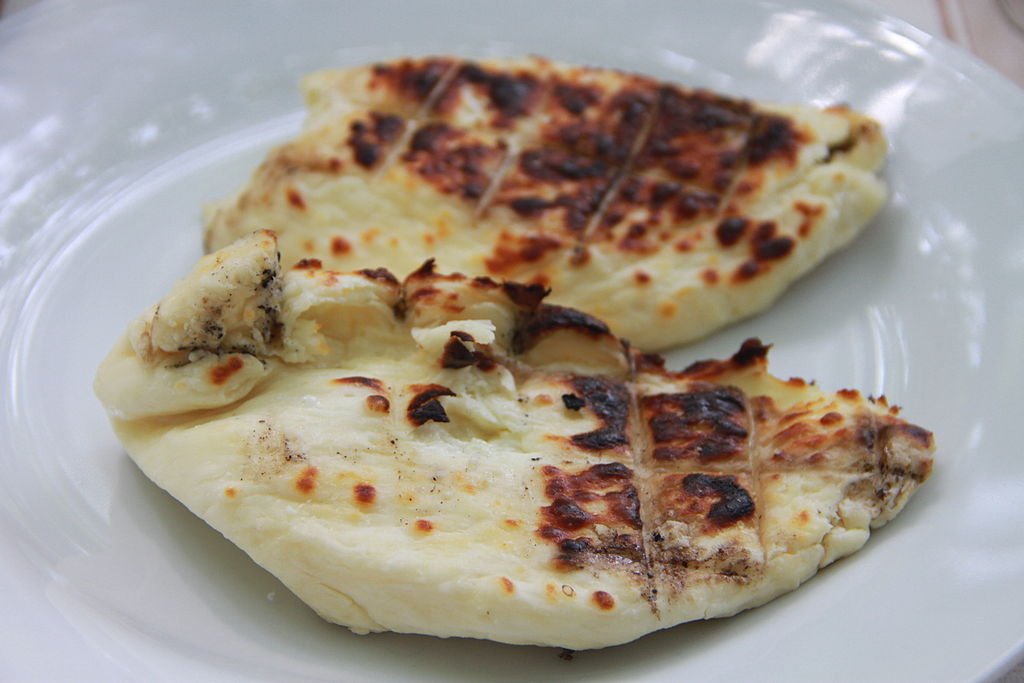
There’s a reason for this. Like other dairy products in the region (I’m looking at you kishik), its original purpose was to serve as a hearty source of produce for farmers in its native Cyprus – so it had to stand on its own two legs. Order halloumi at a restaurant in Larnaca and you’ll get a thick rectangle of cheese, firm but warm with toasty edges. Have it grilled and this is what you’ll get:
As great as it is in Cyprus, I’ll always harken back to that first bite at Molyvos. They served it up sliced and flambéed with ouzo and lemon juice. The ensuing sauce gave the cheese a nice, almost earthy depth that played delicately with the cheese’s inherent saltiness.
But halloumi is prohibitively expensive in New York, at $16 for a small package of meh quality cheese. So when I moved to Lebanon and saw that you could get the same amount for a little over $2, one of the first things I tried to do was recreate that memory.
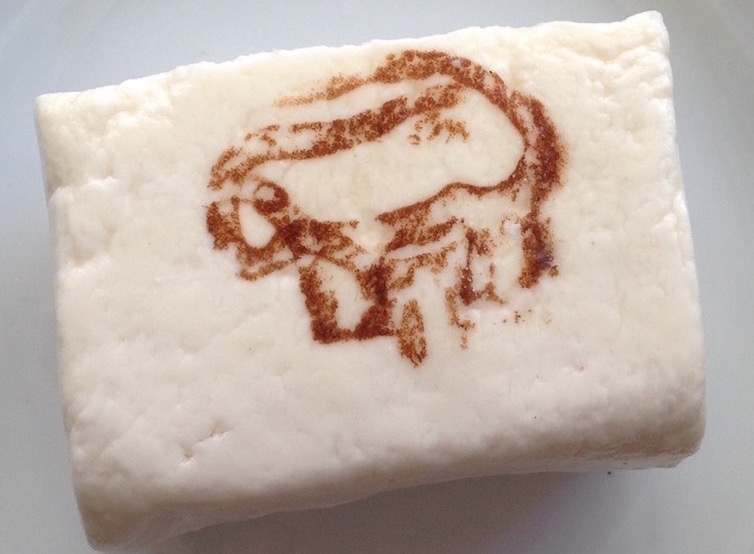
There was one issue though. While ouzo is not that pricey in New York, it’s slightly more expensive here. There was, however, something I thought might work as a substitute: arak.
While definitely stronger and perhaps not as sweet, arak is also an anisette. I figured it could lend the cheese a similar sweaty alcoholic taste that I’d enjoyed so much at Molyvos.
Unfortunately, arak was an overshoot and completely smothered all other flavors, so I ended up sticking with just lemon, which ended up giving the cheese a brightness that the Molyvos version lacked.
A more traditional Lebanese halloumi sandwich will have tomatoes and cucumbers (and maybe olives and mint) in lieu of the cucumbers beets and carrots I use here. Both are nice, but I personally prefer the sweet freshness of this vegetable triad.
If you only have access to other white cheeses with a high melting point like queso de freir or paneer, you can use that instead. Just make sure to brine it for an hour or so to emulate halloumi’s saltiness if it’s mild. It won’t be the same obviously but it’ll be a nod in a similar direction.
If you have any left over carrots, beets, cucumbers or even halloumi, make a quick salad by mixing with a squeeze of lemon juice, salt to taste, and a drizzle of olive oil.
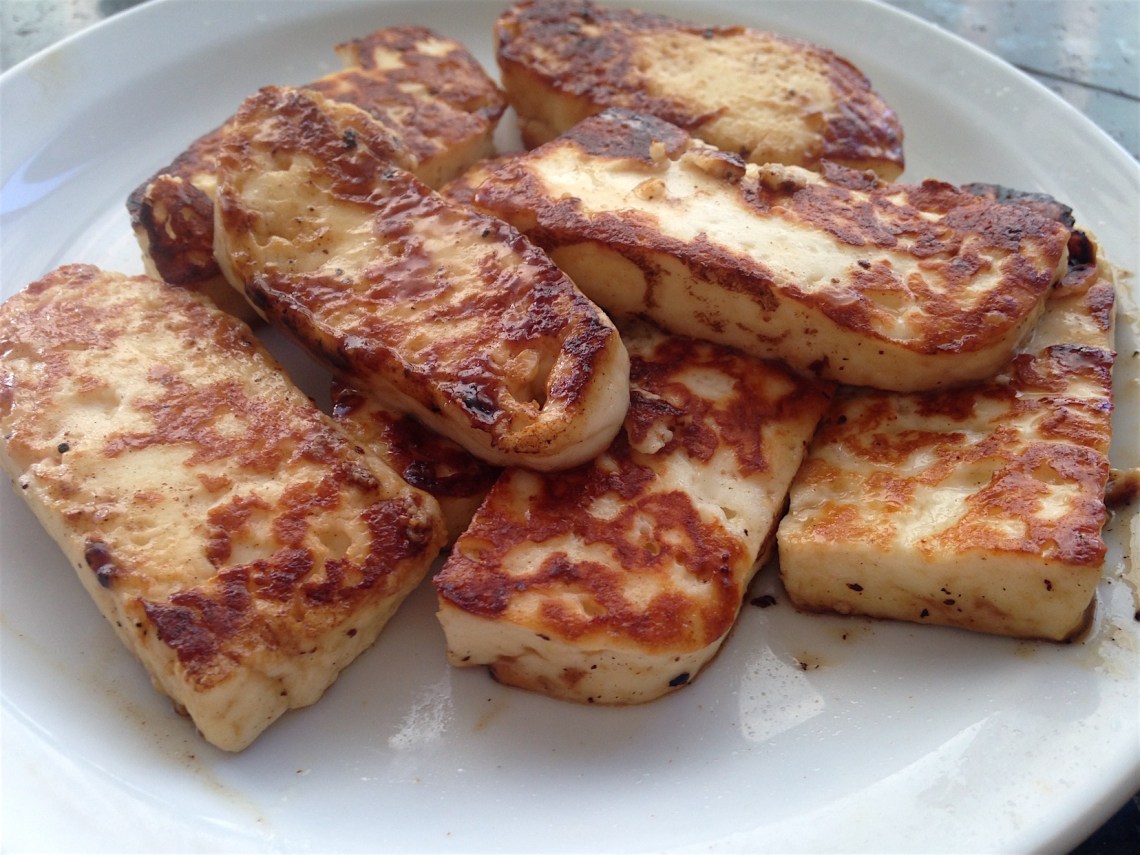
Lemon Halloumi Sandwich
Ingredients
150g (5oz) halloumi
2 tsp olive oil
Juice of ½ lemon
½ small beet, grated
1 small carrot, grated
½ Lebanese cucumber or ¼ seeded US cucumber, sliced into thin strips
½ round Lebanese bread, torn along the seam, or 1 round oat tannour or any other kind of wrap
Instructions
1. Slice halloumi into ½ inch pieces.
2. Heat a skillet on high heat with the olive oil. Add the halloumi pieces one by one. If the pan seems like it’s going to be crowded, do steps 2 and 3 in two rounds, using half the lemon juice for each batch.
3. Once the cheese starts to brown, flip the pieces and add the lemon juice using a spatula,
4. Once the lemon juice has almost completely evaporated, remove halloumi from the pan.
5. Line the bread with carrots, beets and cucumbers.
6. Top with halloumi and roll like a wrap.


 theyellowlunchbox